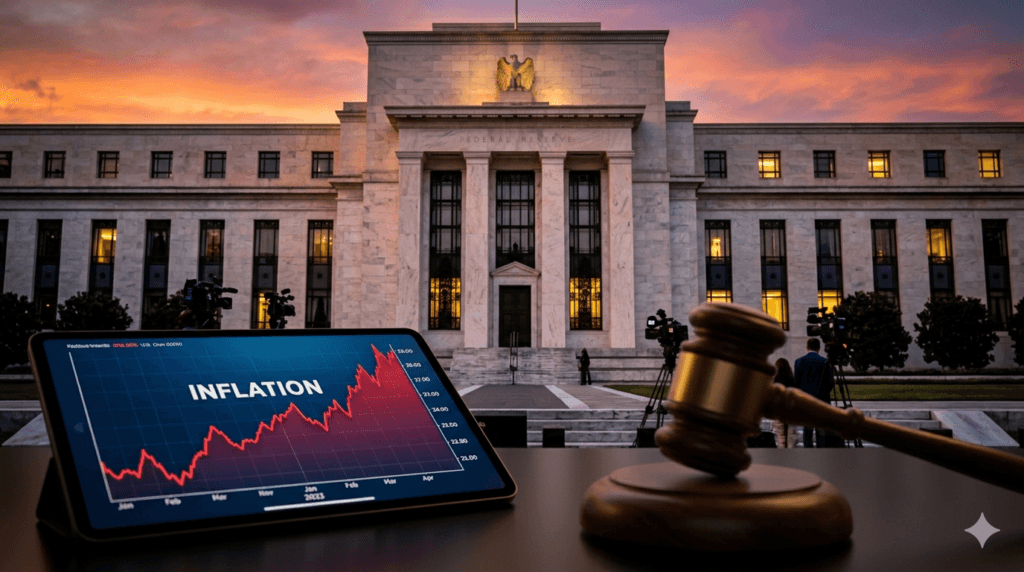
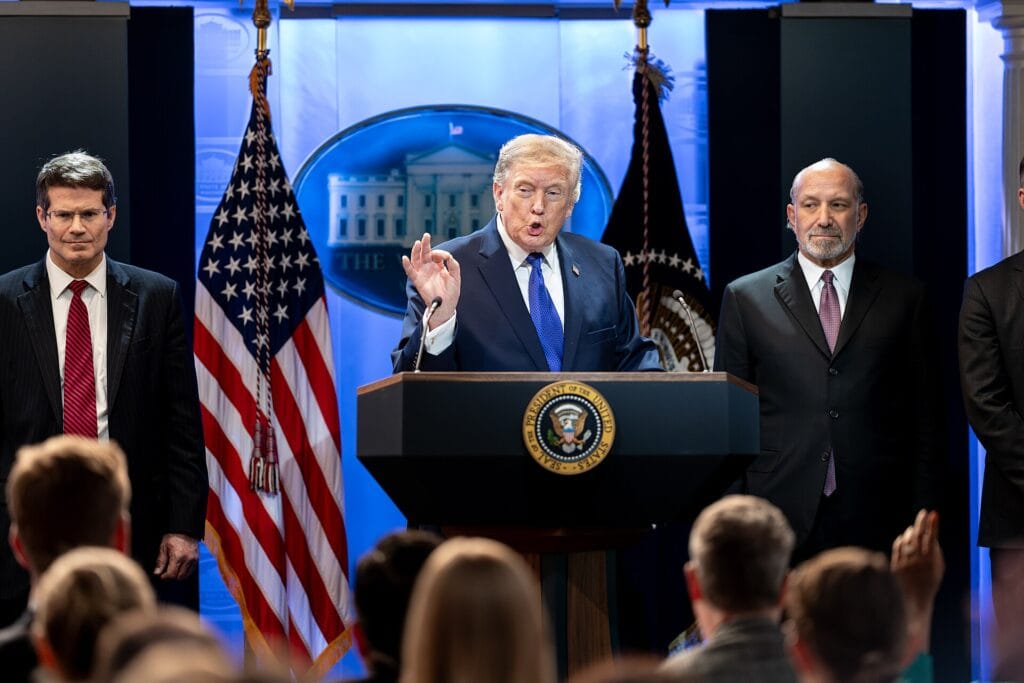
(Washington, D.C.) — As global oil prices hit new heights, the White House is signaling a return to a familiar, albeit politically risky, strategy: promising long-term economic stability at the cost of short-term “pain” for American consumers. With gas prices climbing across the nation, the administration is preparing the public for a period of adjustment while pushing for broader energy reforms.
The latest surge in energy costs has put the Biden administration in a tight spot, balancing immediate economic pressure on households with overarching climate and energy goals. White House officials have indicated that while the current spike is significant, the path toward energy independence requires enduring these fluctuations to achieve a more resilient infrastructure in the future.

Strategic Shifts and Economic Impact
Economists warn that sustained high oil prices could dampen consumer spending, a primary driver of the U.S. economy. However, the administration’s “pain for gain” narrative suggests that current market volatility is a catalyst for accelerating the transition to domestic energy sources. This approach aims to reduce reliance on foreign oil markets, which remain sensitive to geopolitical tensions.
The rhetoric coming from 1600 Pennsylvania Avenue emphasizes that the “pain” felt at the pump today is an investment in a more stable and affordable energy tomorrow. Whether this message will resonate with voters facing higher costs of living remains a critical question for the upcoming months.
Background & Context
This is not the first time an American administration has asked the public to bear economic weight for future strategic goals. Historically, oil shocks in the 1970s and early 2000s forced similar conversations about conservation and infrastructure. Today’s situation is unique due to the simultaneous push for “Green Energy” and the immediate need for fossil fuel stability. The “Pain for Gain” promise essentially asks Americans to accept higher costs now as a trade-off for a modernized energy grid that is less vulnerable to international conflicts and price manipulation by global cartels.